Our Head Office is located in Vikhroli (Mumbai) India’s commercial capital and the largest city in the western region.
Our R&D centres are located in Nerul (Navi Mumbai), Dombivli (Mumbai), and Vapi (Gujarat). Our manufacturing facilities are located in Tarapur (Maharashtra), Vapi (Gujarat), and Atali (Gujarat).
Mumbai
Dombivli, Nerul, Vapi, Tarapur and Atali
Kandla, Nhava Sheva, Hazira and Dahej
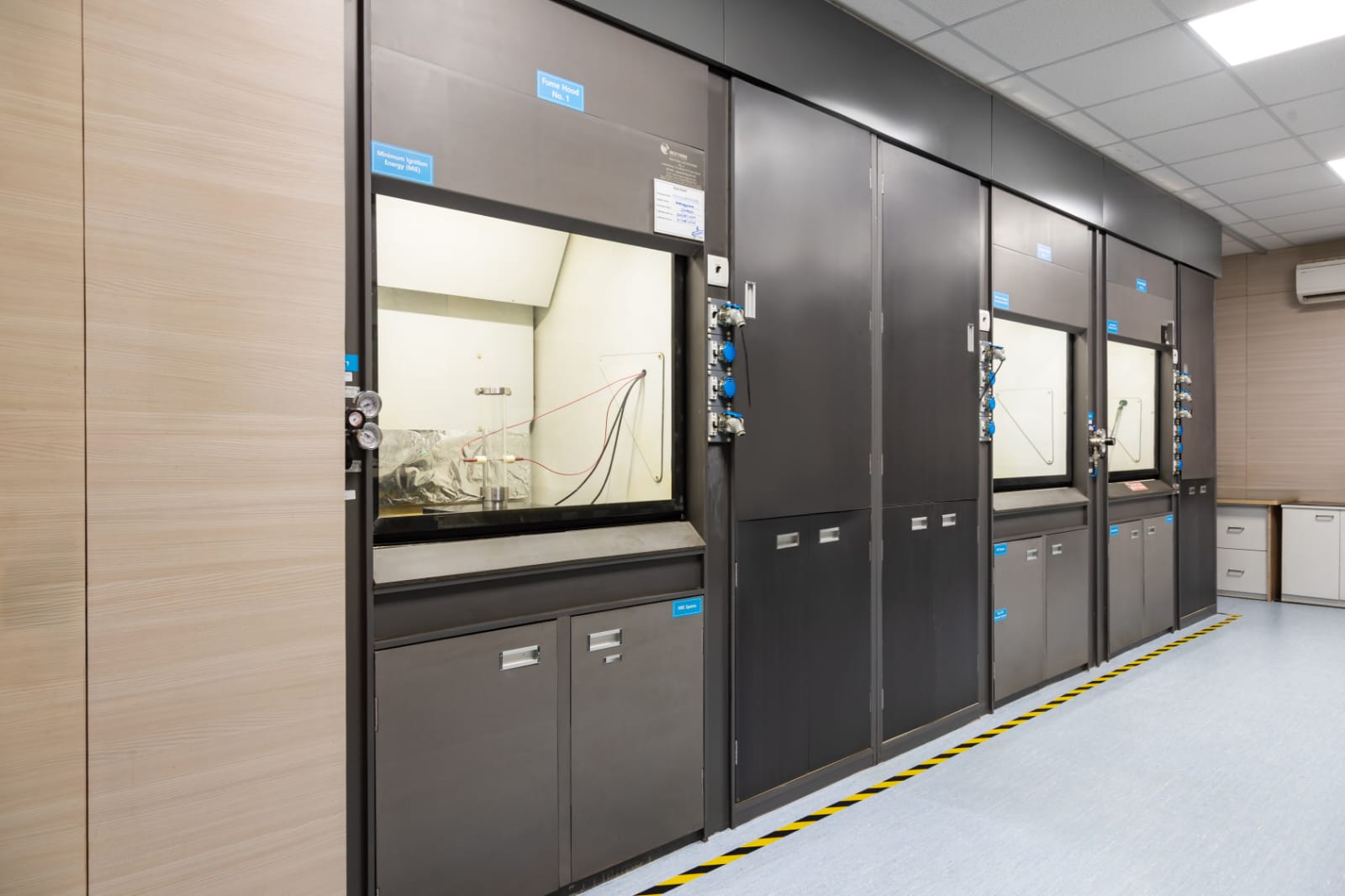
This R&D centre supports the CDMO projects of innovator pharma and biotechnology companies, with integrated capabilities in process R&D, analytical development, process safety, specialized and complex chemistry. The facility is equipped with modern fume hoods, laboratory and analytical infrastructure, and dedicated Kilo Lab, Hydrogenation Lab, Centralized Process Safety Lab, Peptide & Oligonucleotide Lab, and Flow Chemistry R&D Lab, enabling efficient development, optimization, scale-up, and technology transfer of robust and scalable processes. An OEB-6 laboratory for payload-linker conjugate development is currently under expansion.
Certifications
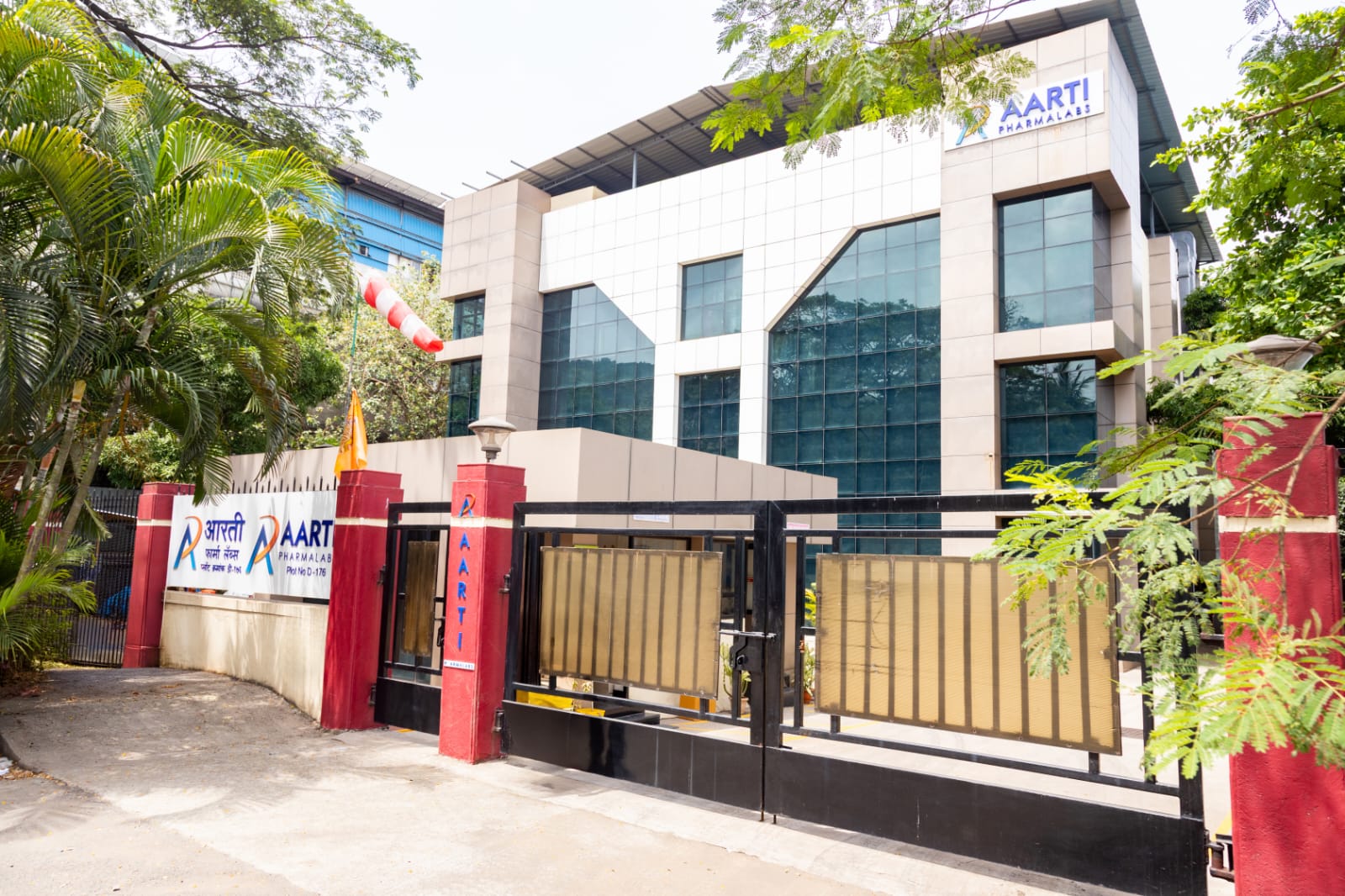
The facility houses an integrated R&D centre and manufacturing unit, with an overall reactor capacity of approximately 31,200 litres
The R&D facility is equipped with fume hoods, autoclaves, flow reactors, analytical R&D facilities, and Developmental QC capabilities. A dedicated High-Potent API (HPAPI) R&D laboratory with containment capabilities up to OEB-4 supports the development and handling of high-potency compounds. The facility also includes a dedicated process engineering laboratory and supporting process development and scale-up activities.
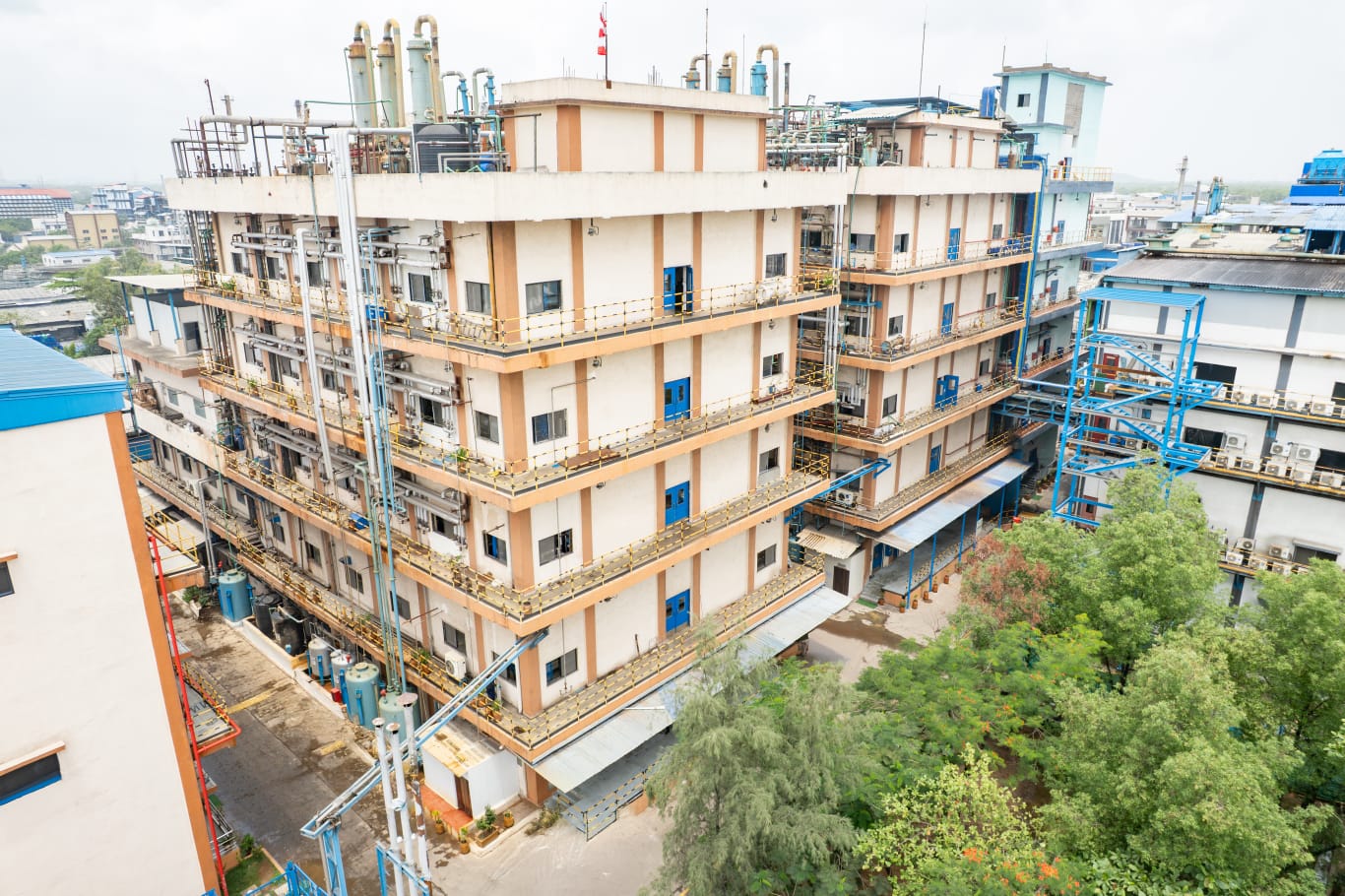
The facility comprises seven manufacturing blocks equipped with 163 reactors, including SS reactors, GLR reactors, HSR (Hastelloy) reactors, hydrogenators, loop reactors, cryogenic reactors, Fixed bed reactors and HVD reactors. The combined reactor capacity across the manufacturing blocks is approximately 612,700 litres.
The facility has a dedicated hydrogenation block, which is among the largest of its kind in India. The block comprises 10 hydrogenation reactors with capacities ranging from 3,000 litres to 10,000 litres, with the largest reactor having a capacity of 10,000 litres. In addition, the facility includes two loop reactors with capacities of 3,000 litres and 4,000 litres. Most of the reactors are designed to handle operating pressures of up to 35 kg/cm², providing robust capabilities for high-pressure hydrogenation and other pressure-intensive chemical processes.
Dedicated pilot and semi-pilot manufacturing blocks support pilot-scale production and facilitate seamless, consistent technology transfer from R&D to commercial manufacturing. The facility is further supported by flow reactors, process engineering equipment, and large-scale column purification systems, enabling process optimization, scale-up, and efficient purification of complex chemical products.
The unit is engaged in the manufacture of pharmaceutical intermediates used in the production of Active Pharmaceutical Ingredients (APIs).
The operations are managed by highly skilled and experienced personnel who ensure strict adherence to established quality systems, procedures, and applicable manufacturing standards.
It specializes in the manufacture of high-quality xanthine derivatives, including synthetic caffeine, theophylline, etofylline, and aminophylline, serving the nutraceutical, food, and beverage industries. The facility is supported by trained personnel and equipped with SS, GLR, and PP reactors, with a combined reactor capacity of approximately 542,000 litres and a manufacturing capability of approximately 300-400 metric tonnes per month.
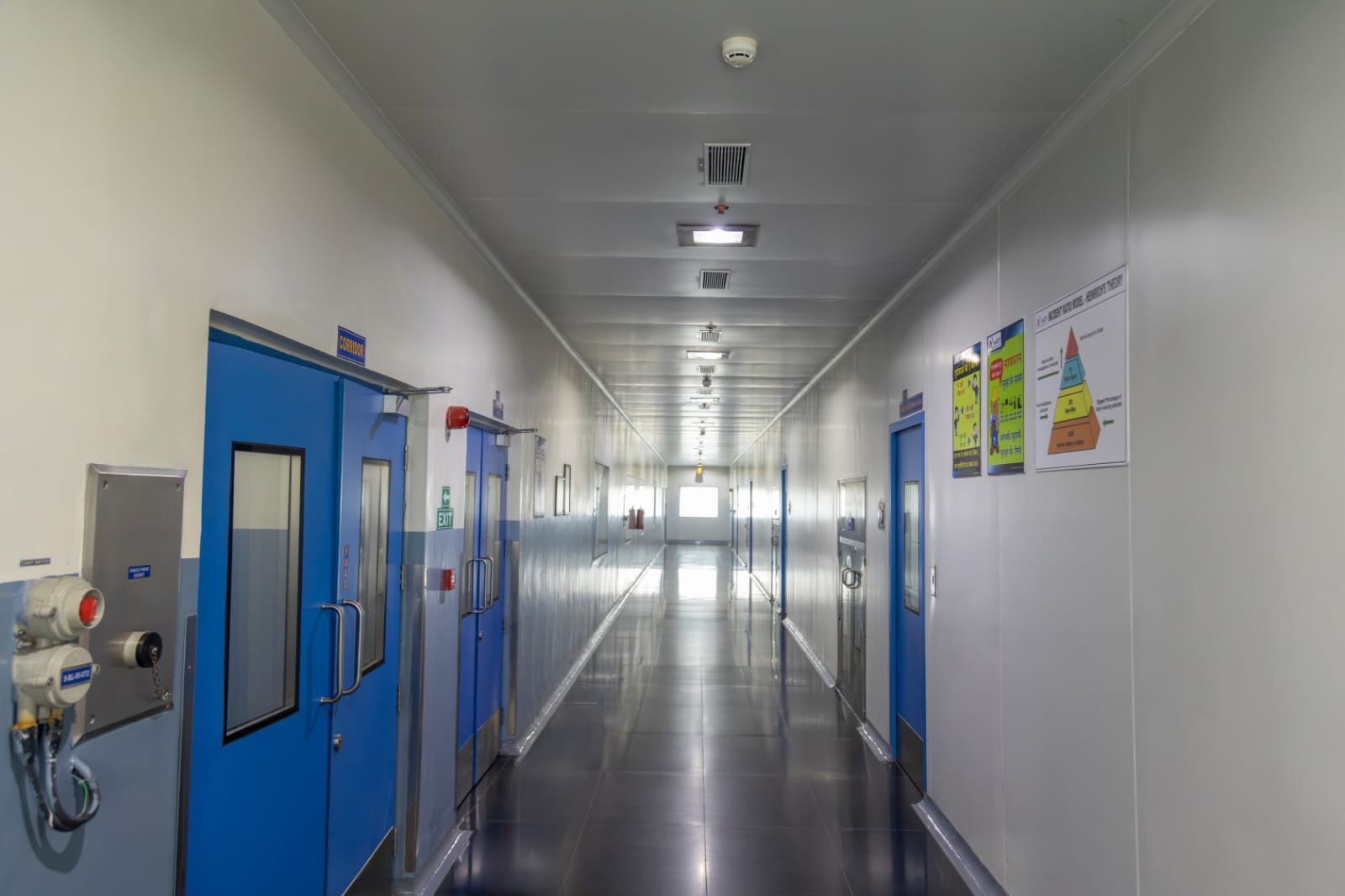
This unit is our API manufacturing facility comprises 5 manufacturing blocks with 101 reactors, including SS, GLR, Hastelloy (HSR), cryogenic, and PVDF reactors, with a combined reactor capacity of approximately 308,300 litres.
The facility includes dedicated HPAPI manufacturing blocks for products such as oncology APIs and corticosteroids, with containment capabilities up to OEB 4. The remaining three blocks are dedicated to general API manufacturing, supporting production from kilogram scale to multi-metric-ton scale. This facility has Corning G5 flow reactor to handle BuLi chemistry
The facility is also equipped with a Corning® G5 Flow Reactor, enabling safe and efficient handling of challenging chemistries, including BuLi (organolithium) reactions, with enhanced process control and scalability.
Dedicated Quality Control laboratories for both general APIs and HPAPIs, together with highly skilled technical personnel, support consistent manufacturing and stringent quality standards. The facility has been inspected six times by the US FDA and five times by European regulatory authorities, in addition to inspections by regulatory agencies from Korea, Brazil, Mexico, and other countries.
The facility has been audited by a global large pharmaceutical company as part of its supplier qualification and responsible sourcing assessment, covering ESG, EHS, ethical business practices, labor and human rights, and environmental standards in alignment with PSCI Principles.
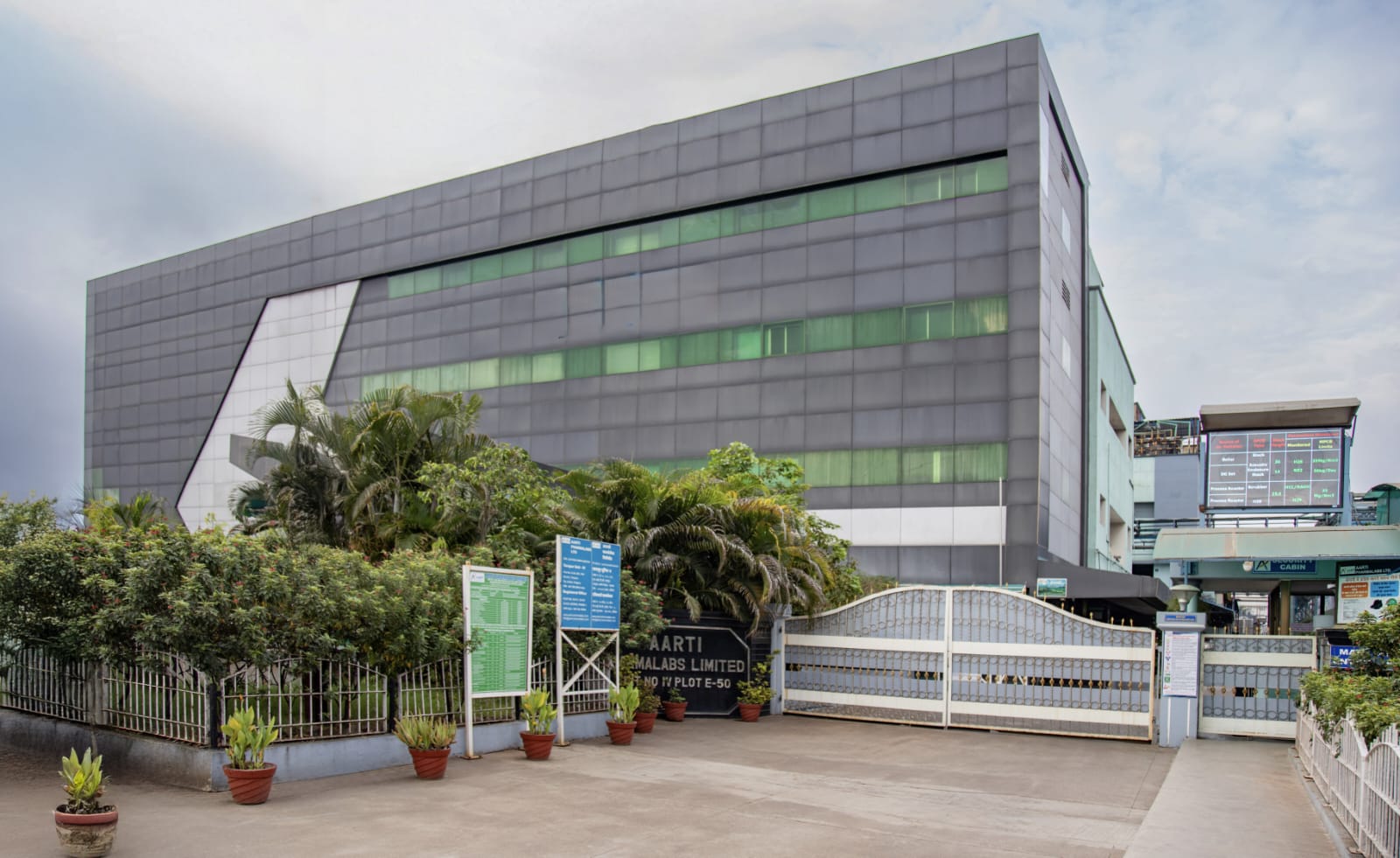
This is one of our largest manufacturing units for our flagship product, synthetic caffeine, along with theophylline and etofylline. The facility is equipped with SS reactors and GLR reactors, offering a combined reactor capacity of approximately 266,000 litres and a production capacity of approximately 400–500 metric tonnes per month.
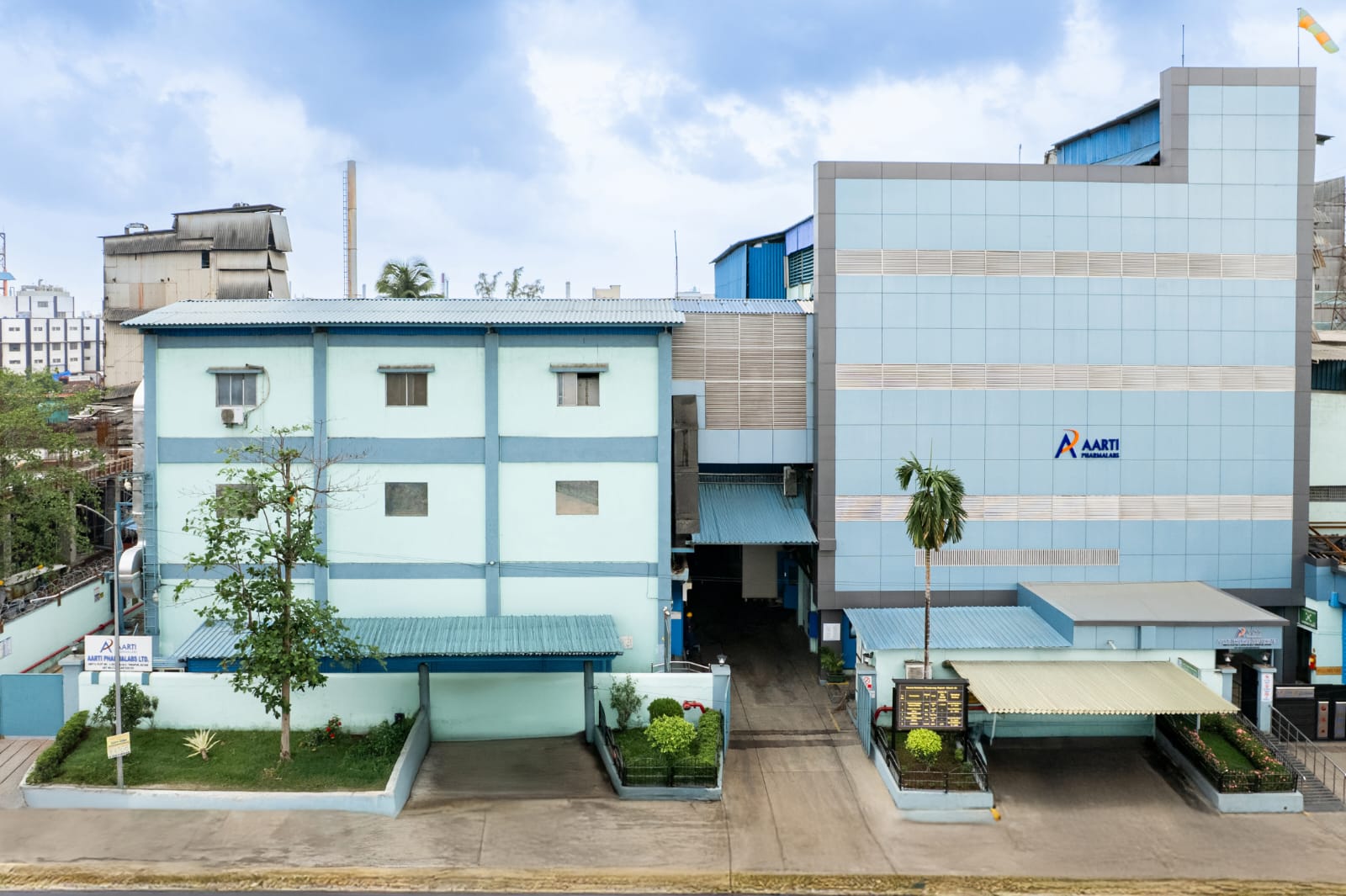
Our newly inaugurated greenfield manufacturing facility at Atali, Gujarat, is designed to global CDMO standards and supports the development and manufacture of Drug Substances like Regulatory Starting Materials (RSMs), GMP intermediates and New Chemical Entities (NCEs) for innovator pharmaceutical and biotechnology companies.
The facility currently comprises two manufacturing blocks with more than 60 reactors, including SS, GL, cryogenic, and HVD reactors, with a combined reactor capacity of approximately 432,500 litres, with dedicated zone to handle cyanation reactions. It is designed to support programs from Phase I through Phase III, launch, and full-scale commercial manufacturing, providing a scalable platform aligned with global innovator customers’ requirements.
The site is spread across approximately 320,000 sq. m. (80 acres), with the current manufacturing blocks occupying approximately 100,000–110,000 sq. m. The remaining land provides significant scope for future expansion. An additional 1,000–1,200 KL/M3 of manufacturing capacity is planned over the next 4–5 years, enabling long-term scalability.
The facility focuses on operational excellence, scalability, quality, and regulatory compliance, strengthening our ability to support innovator pharma and biotech customers from early clinical development through commercial supply.
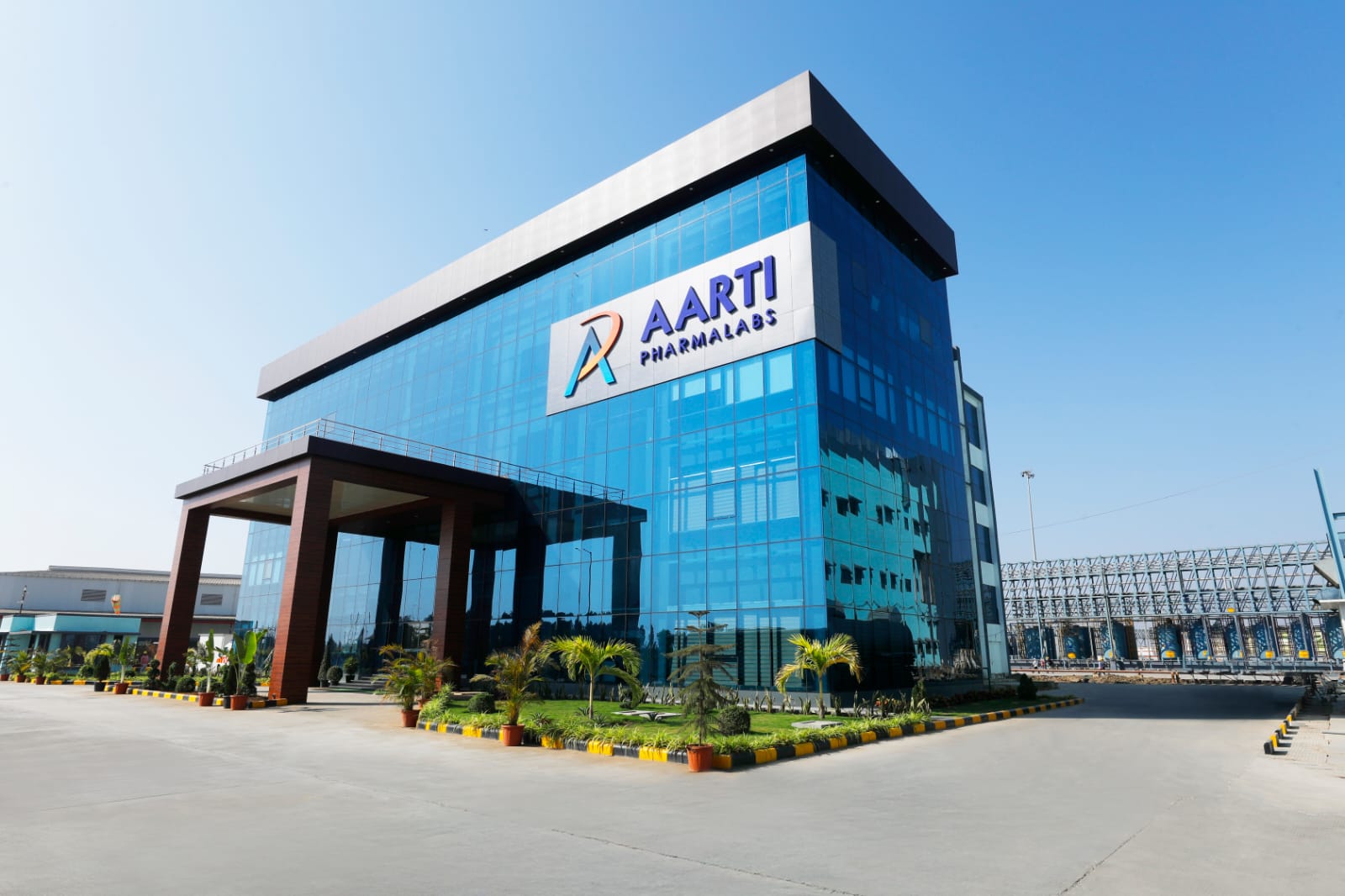
This unit is capable of handling the following reactions: